Lecture
Block event, dates will follow
Chemical processes often form the basis for technologies enabling climate-neutral energy supply, sustainable chemical production, and innovative reduction of CO₂ emissions. Efficient processes are key to conserving resources and ensuring economic viability in industry. The event "Thermodynamics of Chemical Processes" provides essential knowledge for the development, optimization, and design of chemical reaction systems. It links scientific theory with industrially relevant simulation tools and practical application examples.
Building on the fundamentals of thermodynamics, mixture thermodynamics, and process thermodynamics, the following key topics are explored in greater depth:
Chemical reactions (reaction equilibria, energy conversion, stoichiometry)
Reaction kinetics
Electrochemistry
Material property models
The application examples focus on current developments:
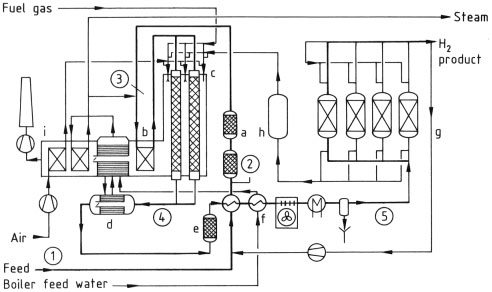
Hydrogen production, methanol and syngas production, as well as innovative carbon capture methods.
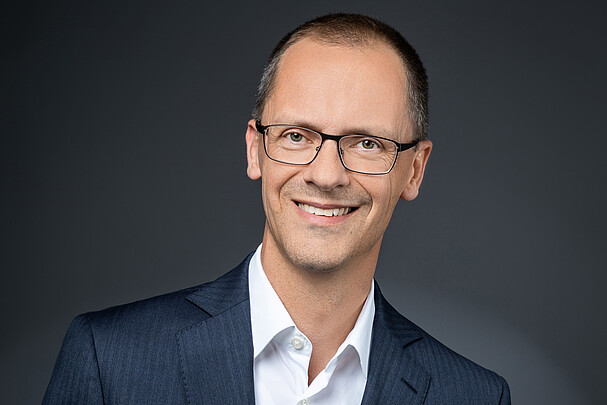
The lecture, delivered by Dr.-Ing. Andreas Bode (Lhoist Group), takes place biweekly and combines in-person and online teaching with practical exercises in the lecture hall. In addition to classic problem-solving exercises, students will learn how to use the simulation software CHEMCAD to carry out realistic process designs. During a two-day excursion to the Lhoist Group in Wülfrath, students will also gain insights into industrial practice.
For further questions, please contact Pascal Köhler.
Recommended prerequisites for participation:
Thermodynamics I + II
Mixture and Process Thermodynamics
Transport Processes in Chemical Engineering
Last Change: 08.04.25